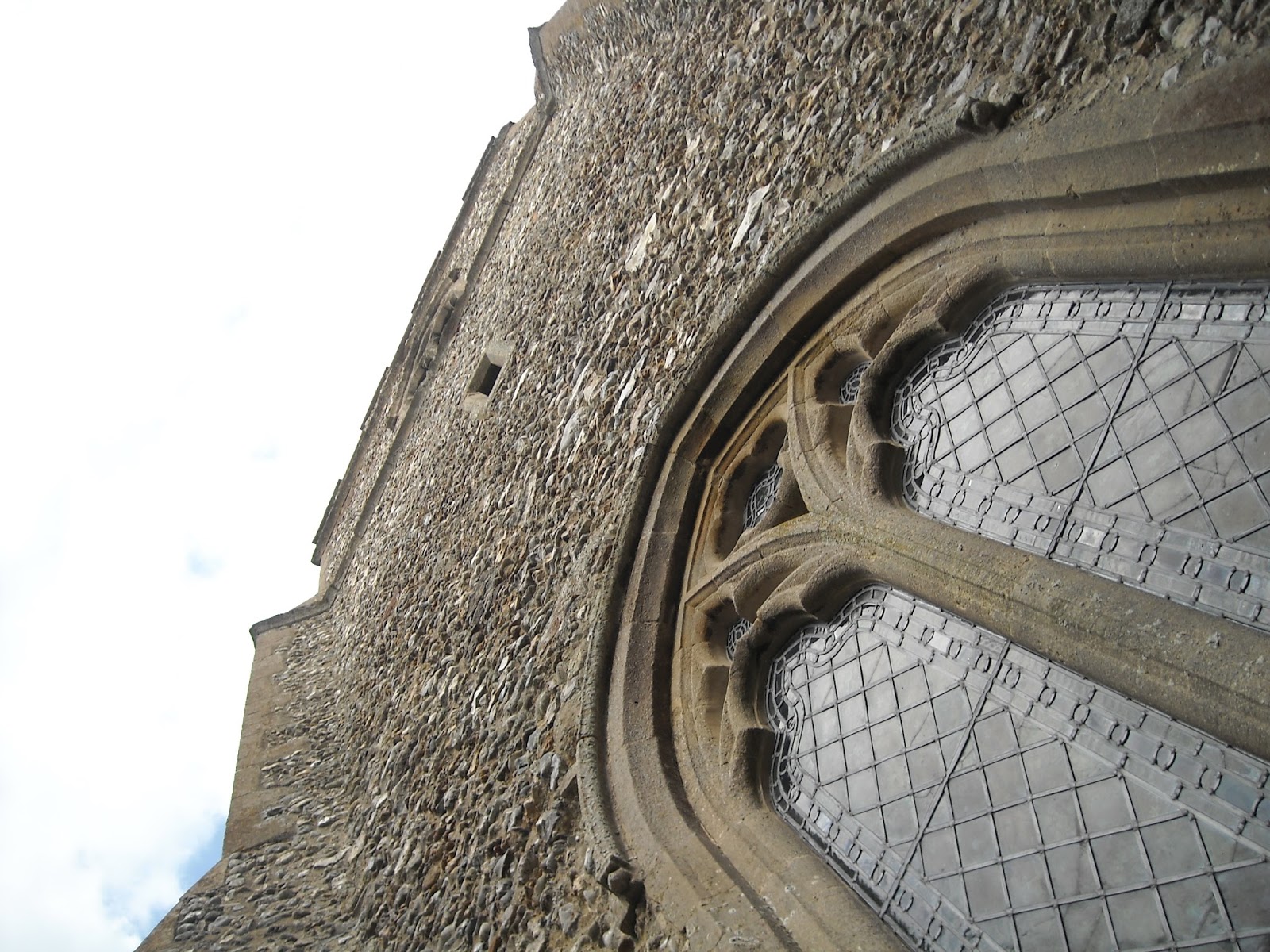
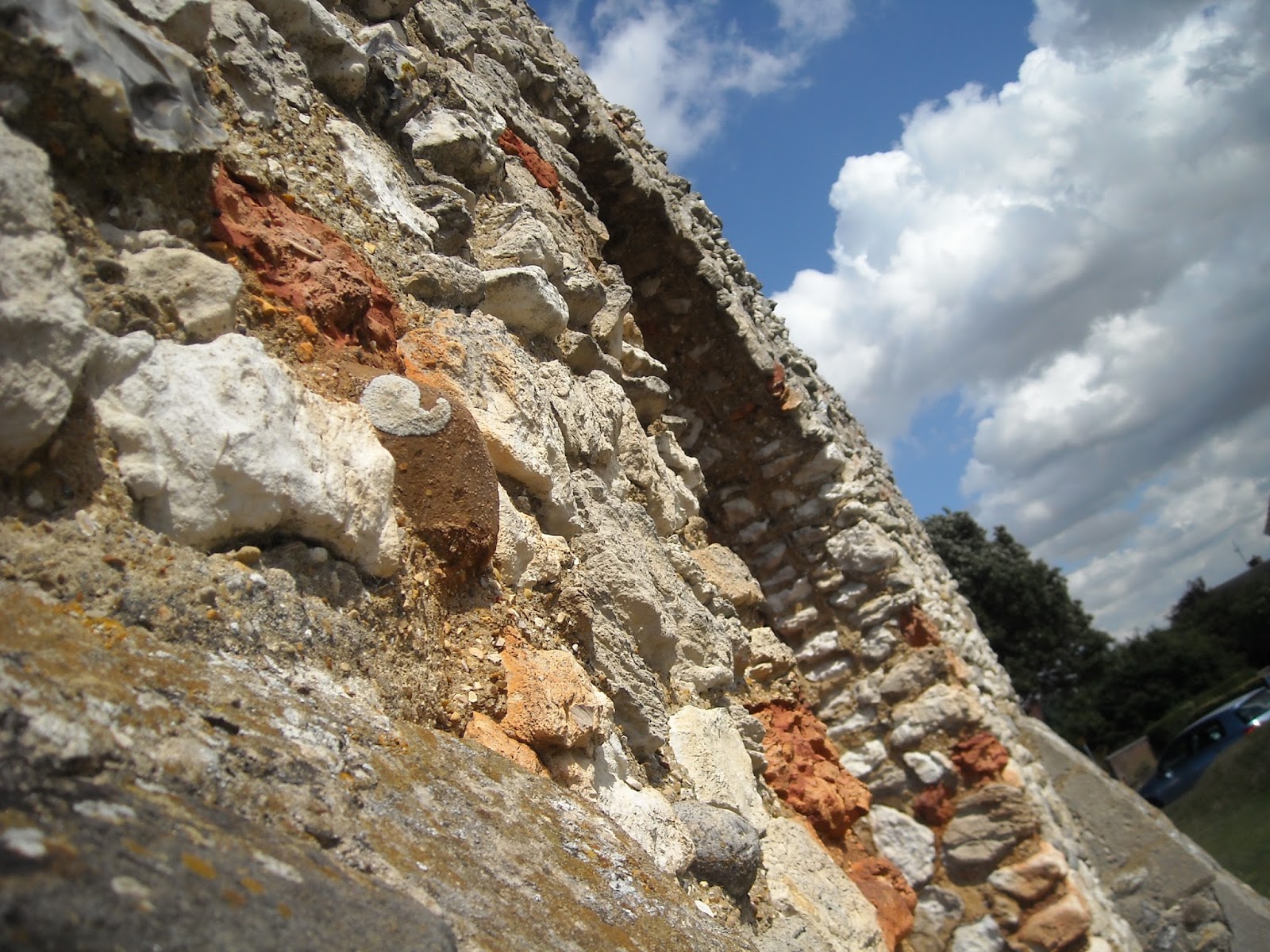
I recently visited Creake Abbey a short drive up the road from North Creake, not far from Fakenham in North West Norfolk. I had visited this site once before and while some of the former monastery buildings and site has since been developed into private residences, it felt oddly strange and eerie as though I was being watched.
However this time I did not get this feeling, yet it was replaced with another feeling, a feeling of sadness. Now this could be due to the information I had read about the site before hand so I am not saying that I experienced anything paranormal. I owe these feelings to its history and that fact that during 1484 Creake abbey was destroyed after a tragic fire reduced it to nothing more than a large church in physical size. The community at Creake Abbey was wiped out canon by canon until in 1506 the last member of the community the Abbot himself died from the plague.
A little history of Creake Abbey
Creake Abbey went from strength to strength starting life as a small chapel which grew into a hospital and priory. Sir Robert de Narford funded the chapel of St Mary of the Meadows to be built and later extended to become the hospital and priory of St Bartholomew. At this point we know the canons began to follow the rule of St Augustine.
The priory began to prosper with donations from many generous benefactors such as King Henry III by bestowing the title of abbey onto the complex in 1225. However the canons were unaware that this prosperity would not last and in 1484 tragedy befell that abbey when it was gutted by a fire which ripped through the building reducing the complex to a mere shell of it former glory. Requests were made to fund the rebuilding programme at the site. King Richard III made donations yet these were not enough to rebuild its prosperity especially when further tragedy fell on the abbey in 1506. One by one the canons died from the plague with the abbot being the final inhabitant left also died from the plague in 1506
My feelings on the site
As I strolled around the site I found it tranquil yet also a feeling of sadness fell over me which as I mentioned earlier I attributed to the information I read on the boards dotted around. I got a sense of the 'good' Sir Robert and Lady Alice tried to accomplish by founding this abbey and hospital and also the glory that this site must of radiated in its heyday.
However a feeling of uncertainty flooded me as I approached some of the original features due to their new and current use. In the photos below you will see the piscinas that were once used to wash the vessels used in daily services are now filled with 'offerings' such as candles, Christian psalms and texts along with stones scribed with messages such as 'RIP Uncle.' I found this to be comforting that people are still using the site as a place of remembrance but also oddly strange as both times I have visited I have been the only person there.
I would certainly recommend a visit to the site to see what feelings you receive from such as place and while you are there use the benches dotted about to pause and reflect and take in the beauty of nature around you, listening to the birds singing as they wing about in the sky.
Just around the corner is a delightful cafe and craft shops which are also well worth a visit.


Background research and reading credited to English Heritage available at www.english-heritage.org.uk
My feelings on the site
As I strolled around the site I found it tranquil yet also a feeling of sadness fell over me which as I mentioned earlier I attributed to the information I read on the boards dotted around. I got a sense of the 'good' Sir Robert and Lady Alice tried to accomplish by founding this abbey and hospital and also the glory that this site must of radiated in its heyday.
However a feeling of uncertainty flooded me as I approached some of the original features due to their new and current use. In the photos below you will see the piscinas that were once used to wash the vessels used in daily services are now filled with 'offerings' such as candles, Christian psalms and texts along with stones scribed with messages such as 'RIP Uncle.' I found this to be comforting that people are still using the site as a place of remembrance but also oddly strange as both times I have visited I have been the only person there.
I would certainly recommend a visit to the site to see what feelings you receive from such as place and while you are there use the benches dotted about to pause and reflect and take in the beauty of nature around you, listening to the birds singing as they wing about in the sky.
Just around the corner is a delightful cafe and craft shops which are also well worth a visit.
Background research and reading credited to English Heritage available at www.english-heritage.org.uk