Showing posts with label Anglo Saxon. Show all posts

Sunday, 12 October 2014

St Mary's Haddiscoe

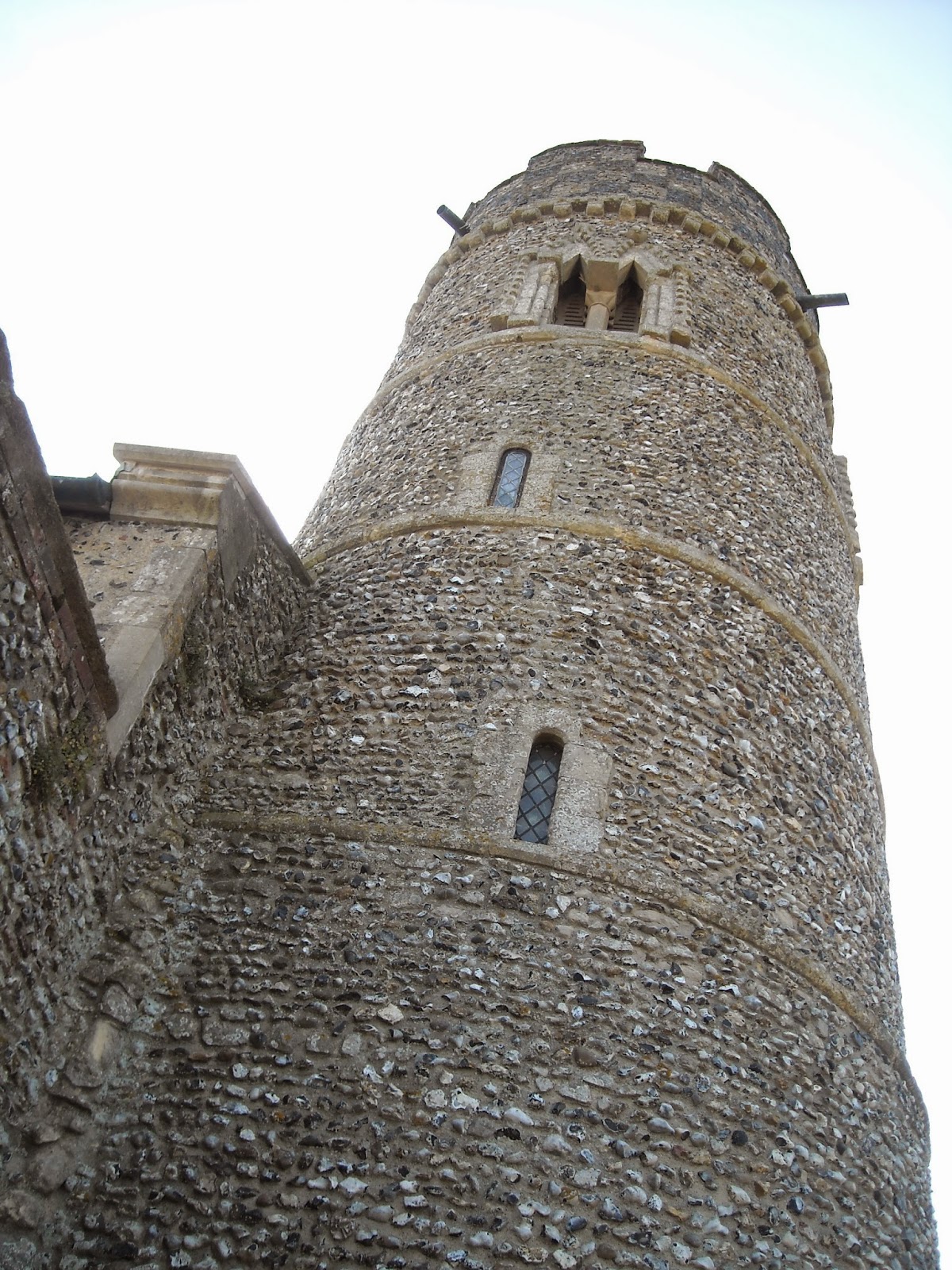
So here we have St Mary's Haddiscoe, and what an amazing treasure this is. I was told about this church by a family member and so decided when out that way one day to take a look. As I approched it, it sat atop the hill like a beacon of peace and hope to all around it.

As I mentioned above St Mary's sits on a hill and when you approach it, it looks very impressive with its round tower and checkerboard pattern around the top. From reading the information in the church itself, it is belived the tower and almost certainly the base dates from the Saxon period.

As you approach the doorway, their is a stone carving depicting possibly a saint. Whoever it is, the carving is very impressive giving some idea as to the wealth or pride this parish had for their faith.

Again inside this church does not cease to amaze with the remains of wall paintings that are still visible today. The carved stonework continues throughout the building and it is very impressive how decorative this church is. The ironwork on the door into the church made me feel like I was entering a building from Lord of the Rings, an elven house or a Gondorian hall.

Again the clerstory windows beautifully shaped, reminding me of a four leaved clover.

When I visited Haddiscoe church, it was a bright, sunny day which made the building ooze with grandness but not in a pompous way. It showed how much pride the parishioners had for their place of worship. Even though the main road runs very close to the bottom of the hill, the church and the churchyard around it was very peaceful. I could have spent hours just wandering the site, enjoying the tranquility. It was a place of pure peace and beauty.

It is clear to see that this church is still a beacon to all as it is well maintained and cared for and is still in use for regular worship.




Sunday, 8 September 2013

St Edmunds Memorial Chapel Hunstanton

Built as a memorial chapel to King Edmund by the Monks of Bury in 1272 to comemorate the landing place of Edmund. It was continually used for worship for around 400 years until it fell into ruin and neglect. Edmund supposedly landed at this point in 855 AD.

Little is left of the chapel apart from the south door and wall however there is a peacful garden around the chapel creating a nice little area of relaxtion and transquility near the main cliff top road at Hunstanton. I had been past this wall several times during visits to Hunstanton and one day stopped the car and got out to take a look.

The memorial garden or Garden of rest that is now incorperated into the site was established by Reverend A.A. Toms in 1918 in memory of local men who fell in action during World War 1.

Edmund inherited his kingdom of East Anglia when he was young, he was crowned at Bures in Suffolk. He reigned for several years peacefully however towards the end of his reign he had to defend his kingdom against the invading Danes, he was regretably defeated during at battle at Thetford where he was taken prisoner.

Legends says that Edmund died as a martyr at the age of 29 having been shot by arrows while he was bound to a tree on 20th November 870AD. The location of his death is said to be Hoxne in Suffolk. 

He was canonised as King and Martyr becoming the first patron saint of England after being entombed in Bury St Edmunds where his shrine became a place of pilgrimage.


Sunday, 17 June 2012

Kett's Castle (Chapel of St Michael on the mount)

A couple of weeks ago I visited Kett's heights, Thorpe Hamlet on the edge of the city centre. There have been many uses of this site over the years from alotments to parkland to camp site of a rebelious mob. I became interested in this site after a discussion with a friend regarding a photo he had taken of the site. In the photo were some flint walls. The reason for my interest is that I had read an article and had knowledge of there being religious buildings on this site from around the 11th Century. I had heard and researched St Leonard's Priory. I will not go into this monastic house in detail here as I will post this seperately.

Please visit the blog of my friend to view the photos that started my interest in this area of the city. http://eastscapes.blogspot.co.uk/2011/05/on-top-of-city-ketts-heights.html

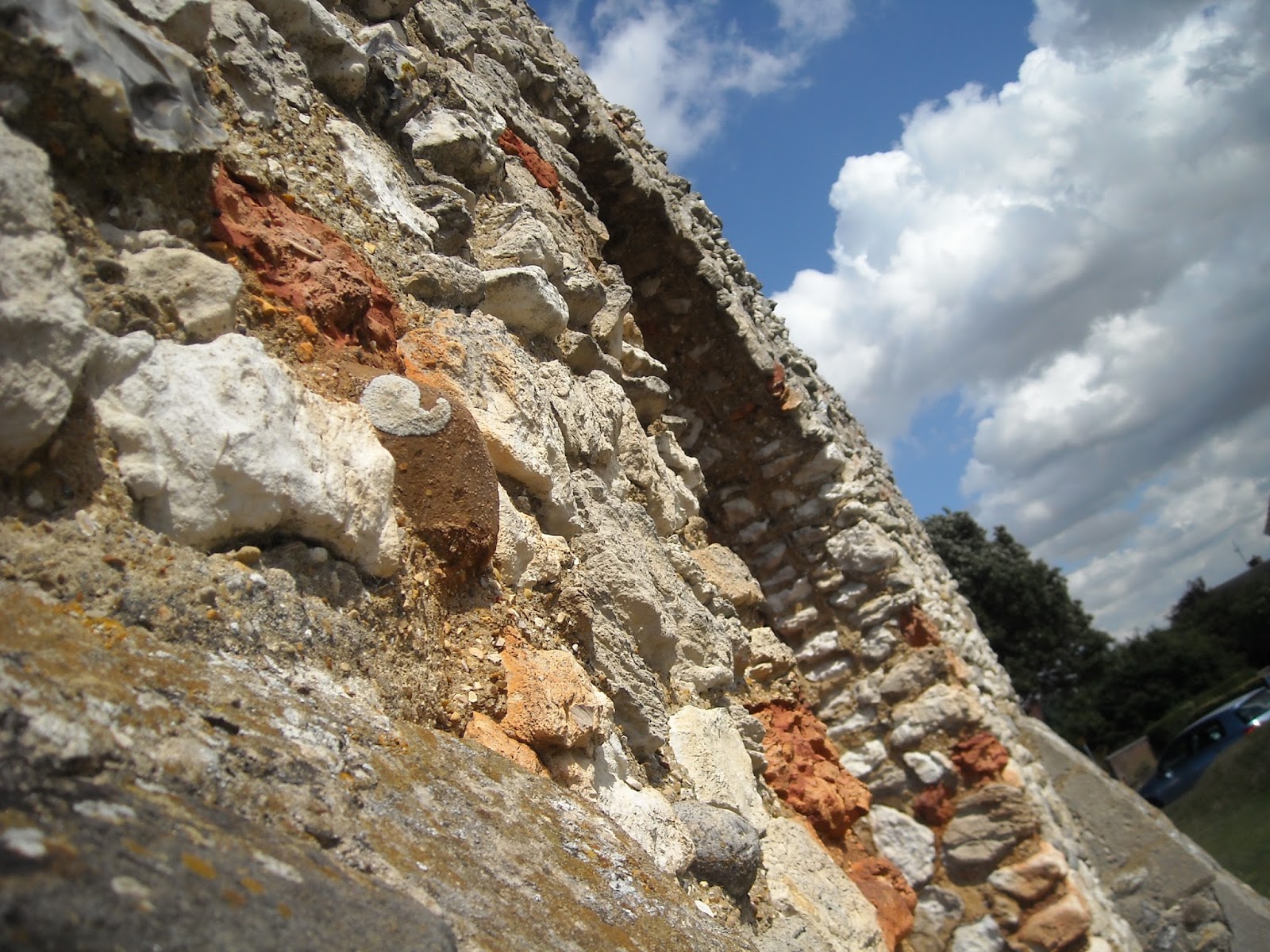
Having visited the site and walking around it for a few minutes I cam across what I was looking for. I found the old flints walls which mark the location of the Chapel of St Michael on the mount. In the late 11th Century Bishop Herbert De Losinga, the first bishop of Norwich, embarked upon building the Cathedral and in the process several Anglo-Saxon churches were demolished, one such church was St. Michael's. So as to build bridges and make amends with the Ango-Saxon population Bishop Herbert had a small chapel built on the mount and called it St. Michael's. The chapel was cared for and managed by the monks from St Leonard's, with their duties including daily services at the chapel.

Around 400 years later, St Michael's chapel fell into disuse as a chapel. However is 1549 during the rebellion lead by Robert Kett the Chapel of St. Michael was used again. This time it was used as the headquarters for Kett's campaign against the city. Using the remains of the chapel on the mount as his 'castle' it gave him a great vantage point to view what was going on in the city below him.